Commercial buildings face their highest water, structural, and safety risks during fall and winter. By asking the right questions and taking proactive steps now, property managers can prevent costly disruptions—and Fortivo Property Services is ready to support you every step of the way.
Below, each key maintenance area has been reframed as a question with clear, instructional guidance for building owners and managers, plus how Fortivo can help.
Why Should You Inspect Your Roof & Gutter Systems Before Cold Weather Arrives?
A building’s roof and drainage system take the brunt of fall debris and winter storms. If gutters clog or flat roofs collect debris, water intrusion becomes a serious threat.
What building owners should do:
Clear all gutters, scuppers, downspouts, and roof drains.
Remove standing debris from flat roof surfaces.
Inspect for membrane punctures, loose flashing, or deteriorated areas.
Schedule a professional roof inspection before winter storms hit.
How Fortivo can help:
Perform moisture mapping to locate hidden leaks or saturated insulation.
Provide emergency roof tarping and interior drying if leaks occur.
Coordinate with roofing partners to ensure issues are repaired properly.
Document damage for insurance and streamline the claims process.
How Can You Ensure Your HVAC System Is Ready for Winter and Indoor Humidity Is Under Control?
Commercial HVAC systems are critical for maintaining stable indoor air quality and preventing moisture-related issues during colder months.
What building owners should do:
Replace filters and test heating performance early.
Inspect condensate lines for clogs, leaks, or overflow risks.
Keep indoor humidity between 30–50%.
Check mechanical rooms for drafts, leaks, or fluctuating temperatures.
How Fortivo can help:
Inspect spaces for moisture or damage caused by HVAC leaks.
Remove wet ceiling tiles, drywall, or insulation.
Provide mold assessments if moisture has been present.
Offer drying solutions for mechanical rooms and duct-adjacent areas.
Why Is Exterior Grading & Drainage So Important for Commercial Buildings?
Even a minor drainage failure can cause major operational issues, structural damage, and safety hazards.
What building owners should do:
Ensure soil slopes away from the building foundation.
Clear storm drains, swales, catch basins, and exterior grates.
Extend downspouts or redirect drainage where water pools.
Inspect underground garages and basements after heavy rain.
How Fortivo can help:
Pump out standing water to prevent long-term saturation.
Inspect for structural impacts or interior seepage.
Provide industrial dehumidification to stabilize moisture levels.
Assist with damage documentation and restoration planning.
How Can You Protect Your Building’s Pipes From Freezing and Bursting in Winter?
Frozen pipes are one of the most costly winter disasters for commercial properties, often affecting multiple units or floors simultaneously.
What building owners should do:
Insulate exposed, rooftop, or exterior-wall pipes.
Seal cracks around mechanical rooms and utility spaces.
Keep vulnerable areas heated above 55°F.
Install smart leak or temperature sensors for early detection.
How Fortivo can help:
Respond 24/7 to frozen or burst pipe emergencies.
Provide rapid water extraction and structural drying.
Inspect affected areas for mold within 24–48 hours.
Coordinate reconstruction once mitigation is complete.
Why Should You Plan for Snow & Ice Load Management—Especially on Flat Roofs?
Snow accumulation creates heavy weight loads that can stress or damage roofs, especially when storms repeat or melting and refreezing cycles occur.
What building owners should do:
Know your roof’s load limits (PSF ratings).
Secure snow removal contracts before winter arrives.
Keep drains clear to prevent ice dams and ponding.
Monitor roofs after storms for sagging, leaks, or unusual sounds.
How Fortivo can help:
Inspect interior spaces for water staining from ice dams.
Provide emergency drying after roof-related leaks.
Partner with structural engineers for post-load evaluations.
Coordinate repairs to minimize tenant disruption.
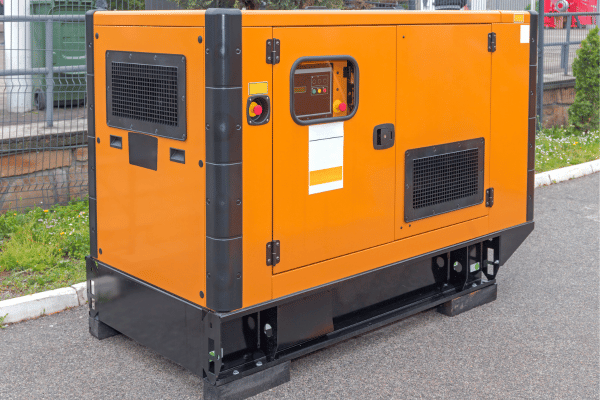
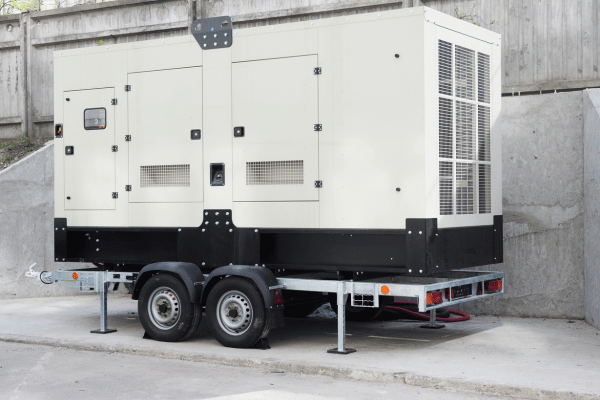
How Do You Ensure Your Generator Is Ready for Winter Storm Power Outages?
Generators protect critical systems and help prevent additional damage during outages caused by storms, freezing rain, and high winds.
What building owners should do:
Test generators under load conditions.
Verify fuel levels and transfer switch functionality.
Ensure CO detectors and ventilation systems are operational.
Establish heating continuity protocols during outages.
How Fortivo can help:
Provide safe portable heating options during outages.
Inspect electrical equipment for moisture damage post-storm.
Assist with drying and cleanup if outages cause leaks or frozen pipes.
What Should Your Emergency Flood Response Plan Include for Winter Storms and Snowmelt?
Snowmelt, heavy rain, and drainage failures can cause rapid flooding inside commercial spaces, threatening operations and safety.
What building owners should do:
Pre-stage sandbags or flood barriers at key entry points.
Train staff to shut off water, power, and mechanical systems.
Maintain updated emergency contact lists for vendors and tenants.
Pre-contract a restoration company for priority response.
How Fortivo can help:
Respond immediately with rapid water extraction.
Dehumidify and stabilize moisture levels to prevent mold.
Document the full scope of damage for insurance.
Inspect for long-term structural concerns after drying.
What Can You Do Now to Reduce Cold-Weather Emergencies for Your Commercial Property?
Proactive preparation is the key to preventing damage, avoiding business disruption, and keeping building occupants safe throughout fall and winter.
What building owners should do:
Complete all seasonal inspections before severe weather begins.
Monitor buildings regularly during storms and freezes.
Review emergency protocols with staff and tenants.
How Fortivo supports you:
Provide preventive seasonal inspections.
Respond 24/7 to water, fire, mold, or structural emergencies.
Manage restoration from mitigation through full rebuild.
Deliver white-glove service that protects operations and building integrity.
FAQ: Fall & Winter Risks for Commercial Buildings
Why do commercial buildings experience more water damage issues in fall and winter?
Large roof surfaces, flat roofing systems, heavy mechanical loads, and complex drainage networks make commercial buildings more vulnerable to seasonal weather changes. Rain, snow, ice, and freezing temperatures increase the risk of roof leaks, clogged drains, frozen pipes, HVAC-related moisture problems, and flooding from poor exterior drainage.
How often should we schedule seasonal inspections for commercial properties?
Most commercial buildings benefit from two major inspections per year—one in early fall before cold weather begins, and one in spring after thawing. However, high-traffic facilities, aging buildings, and properties with known risk areas may need more frequent checks during active storm cycles or extended cold snaps.
What signs indicate potential roof or gutter failure during winter?
Warning signs include ponding water on flat roofs, sagging or bulging ceiling panels, ice dams forming along roof edges, overflowing gutters, slow roof drains, interior water stains, and unexplained moisture inside mechanical rooms. These issues should be evaluated immediately to prevent worsening structural damage.
How can we reduce the risk of frozen or burst pipes in our building?
Maintaining consistent heating, insulating exposed pipes, sealing cold air drafts, monitoring mechanical rooms, and installing temperature or leak sensors are the most effective steps. Frozen pipes often occur in unoccupied or under-heated areas such as stairwells, garages, utility corridors, and rooftop mechanical enclosures.
What should we do if we discover a leak or flooding during a storm or freeze?
Protect safety first: restrict entry to affected areas and shut off the closest water source if possible. Document the damage, stabilize the area, and call a commercial restoration provider immediately. Fast extraction and drying prevent mold, structural deterioration, and electrical hazards from developing.
How does indoor humidity affect buildings during colder months?
Cold air holds less moisture, which can cause humidity levels to drop inside the building. When HVAC systems are imbalanced or condensate lines fail, moisture can accumulate in ceilings, behind walls, or around ductwork. Maintaining humidity between 30–50% helps prevent mold growth, static electricity issues, and building material deterioration.
Why is snow load management important for flat roofs?
Flat commercial roofs can accumulate large volumes of snow and ice. Without proper removal, this added weight can stress structural components, overwhelm drains, cause roof ponding, or lead to partial collapse. Snow load management protects both occupants and property from significant winter damage.
Do generators help prevent winter property damage?
Yes. Generators ensure heating, pumps, and critical building systems stay operational during power outages. Without heat or active water flow, frozen pipes, failed mechanical systems, and flooding risks increase dramatically. A functioning generator reduces nearly every cold-weather building hazard.
Should we have a winter emergency response plan for our building?
Absolutely. A well-structured plan identifies key shutoff points, emergency contacts, tenant communication procedures, and vendor response protocols. Pre-planning reduces chaos during active emergencies and helps building managers minimize downtime, safety hazards, and business disruptions.
Can Fortivo Property Services support both prevention and emergency response?
Yes. Fortivo provides proactive seasonal inspections, moisture assessments, emergency water extraction, structural drying, mold remediation, and full reconstruction services. Whether preventing damage or responding to a major event, Fortivo delivers commercial-grade solutions that protect building operations and occupant safety.
How Fortivo supports you:
- Provide preventive seasonal inspections.
- Respond 24/7 to water, fire, mold, or structural emergencies.
- Manage restoration from initial mitigation through full rebuild.
- Deliver white-glove service that keeps your operations running and your occupants safe.
Fortivo Property Services stands ready to partner with property managers throughout the fall and winter seasons. Whether you’re preventing issues—or responding to an unexpected emergency—we’re here to protect your building, your occupants, and your business continuity.
Fortivo Is Here to Help Restore and Protect Your Home
Fall should be a season of comfort—not catastrophe. By taking preventive steps and staying aware of fire risks, you can enjoy the season safely. If fire or smoke damage does occur, Fortivo Property Services is ready to respond with expert restoration solutions to protect your home and peace of mind.

About the Author
Jason Gates, Co-Founder and CEO of Fortivo Property Services, brings more than 17 years of leadership, construction, and property restoration expertise to the work he does every day. Raised in a family of builders and craftsmen, Jason combines hands-on industry knowledge with high-level program management experience from overseeing large, complex national operations. His guidance is grounded in real-world field experience, risk-management strategy, and a commitment to delivering reliable, high-quality restoration solutions for commercial and residential clients.